
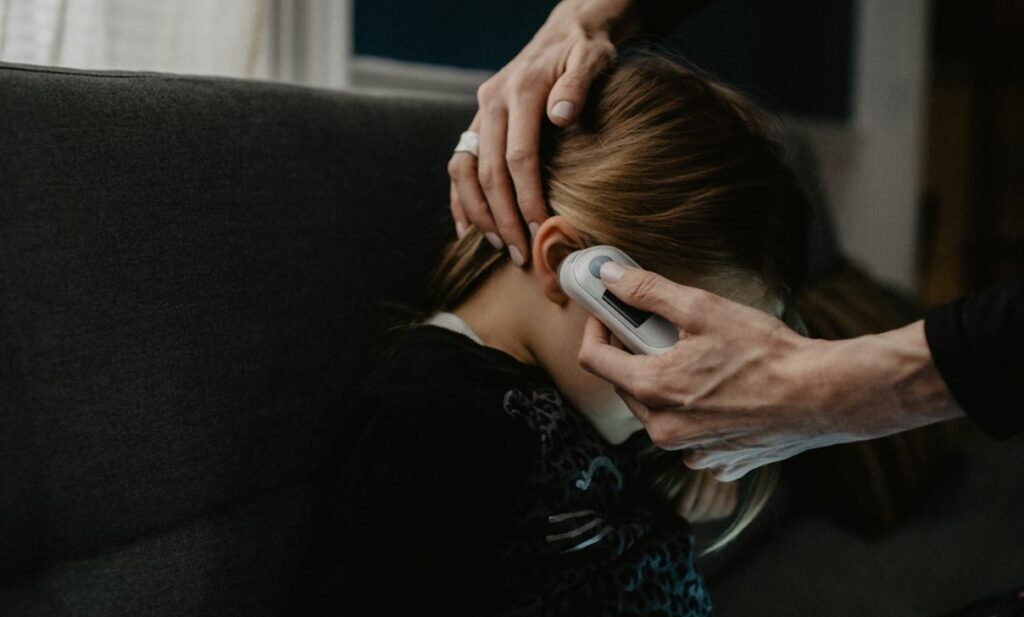
A fever in a child is stressful, especially when it starts climbing at night and you are left deciding whether to monitor at home or call for help. The temperature matters, but it is not the whole story.
Age, breathing, hydration, energy level, and how your child looks overall often tell you more than the number on the thermometer. That is why parents searching for Savannah pediatricians are usually looking for clear judgment, not just a temperature chart.
The risk is not only overreacting. It is also waiting too long because the fever seems manageable until other symptoms start stacking up.
A child with a fever who is drinking fluids, breathing comfortably, and still having alert moments is very different from a child who seems hard to wake, is struggling to breathe, or is getting worse instead of better. Knowing that difference helps you decide what can be treated at home and what should lead to an after-hours call.
When is a fever in a child okay to treat at home?
Many fevers can be managed at home if your child is otherwise stable. That usually means they are awake enough to interact, able to drink fluids, breathing normally, and not showing signs of serious distress.
Home care is often about support, not chasing a perfect number. Focus on fluids, rest, comfort, and checking how your child is acting over time. A fever can look dramatic on the thermometer and still be manageable if the child is otherwise doing fairly well.
What temperature is too high for a child?
Parents naturally focus on the number first, but fever decisions should not be based on temperature alone. A higher fever gets attention, but the more important question is whether your child seems stable or concerning overall.
The number matters more when it appears in a very young infant or when it is paired with symptoms that make the situation feel different from a routine illness. If the fever is rising and your child also looks much worse than expected, that is a stronger reason to call than the number by itself.
What should parents look at besides the thermometer?
Look at the whole picture:
- Is your child drinking fluids?
- Are they breathing comfortably?
- Are they responsive and able to have periods of normal interaction?
- Are they urinating normally?
- Do they seem uncomfortable but consolable, or unusually hard to settle?
These questions help you separate a common fever from a situation that needs faster medical input. A child who looks miserable for a while and then perks up is not the same as a child who keeps declining.
Fever at night: what should parents do first?
Start by slowing down. Confirm the temperature, make your child more comfortable, offer fluids, and look at how they are acting. Nighttime fever feels more alarming because everything is quieter and there is less immediate access to your usual routines, but the same core questions still apply.
Take note of the fever reading, when it started, and what other symptoms are happening. If your child is resting comfortably, drinking some fluids, and not showing red flags, careful home monitoring may be appropriate. If the fever is paired with concerning symptoms or a child who seems much worse than expected, that is the point to call after hours.
When should you call your pediatrician after hours for a fever?
Call after hours when the fever is not the only problem. Trouble breathing, dehydration, unusual sleepiness, a child who is difficult to wake, persistent vomiting, or a fever in a very young infant are all reasons to reach out.
You should also call if your parental instinct is telling you this is not a typical fever for your child. That instinct is not a substitute for medical judgment, but it is often what picks up on the full picture before a thermometer can.
What if my child has a fever but is acting mostly normal?
That can be one of the hardest situations to interpret. If your child has a fever but is still drinking, interacting, and having stretches where they seem fairly normal, home care and observation may be reasonable.
This is where structure helps. Track the fever, watch the trend, note any new symptoms, and pay attention to whether your child is improving, holding steady, or getting worse. A mostly normal child with a fever is different from a child whose behavior is changing in a way that worries you.
How long is too long for a fever to last?
Duration matters. A fever that lingers can need pediatric input even if the child does not seem severely ill in the moment. If the fever is continuing without improvement, or if the pattern is dragging on and you are not getting clear answers from home care, it is time to check in.
That is one reason families often want an established relationship with Savannah Pediatricians instead of relying only on internet advice. It helps to have a practice that knows how to triage the moment and guide the next step.
Why after-hours access matters for parents
When fever hits outside normal office hours, uncertainty becomes part of the problem. At Pediatric Associates of Savannah, we care for children from birth through age 21 and support families with same-day sick appointments, three area locations, nurses who handle most telephone triage, and a board-certified physician on call after hours.
That setup helps parents move from guessing to making a more informed decision.
Treat the child, not just the number
The smartest decision is usually not about whether the fever looks high. It is about whether your child looks okay to watch at home or seems like they need help sooner. If you are weighing home care against an after-hours call, focus on the whole picture and do not ignore worsening symptoms or a child who just does not seem right.
If you are looking for Savannah Pediatricians who can help you make clearer decisions during sick visits, after-hours concerns, and everyday pediatric care, fill out our new patient form now!